About Guwahati City : Largest City of Indian State of Assam
As the primary centre of Northeast India's culture, politics, training, public transportation, and commerce, Guwahati is famous because it shines as the entrance to the Northeast. Guwahati is popular for its diverse population, cosmopolitan atmosphere, strong cultural traditions, and the festivities when you compare it with other cities.
Charm of the city: Guwahati
Guwahati is one of the Indian cities that is growing at a rapid rate. Guwahati, an entry point to northeastern India, is a town dotted with historic temples set against an outline of mountains blanketed in verdant tea gardens.
Assam's capital, Guwahati, is quickly becoming a hive of trade and business, but it never loses sight of its quaint cultural heritage, which still flourishes in the ancient city's winding lanes.
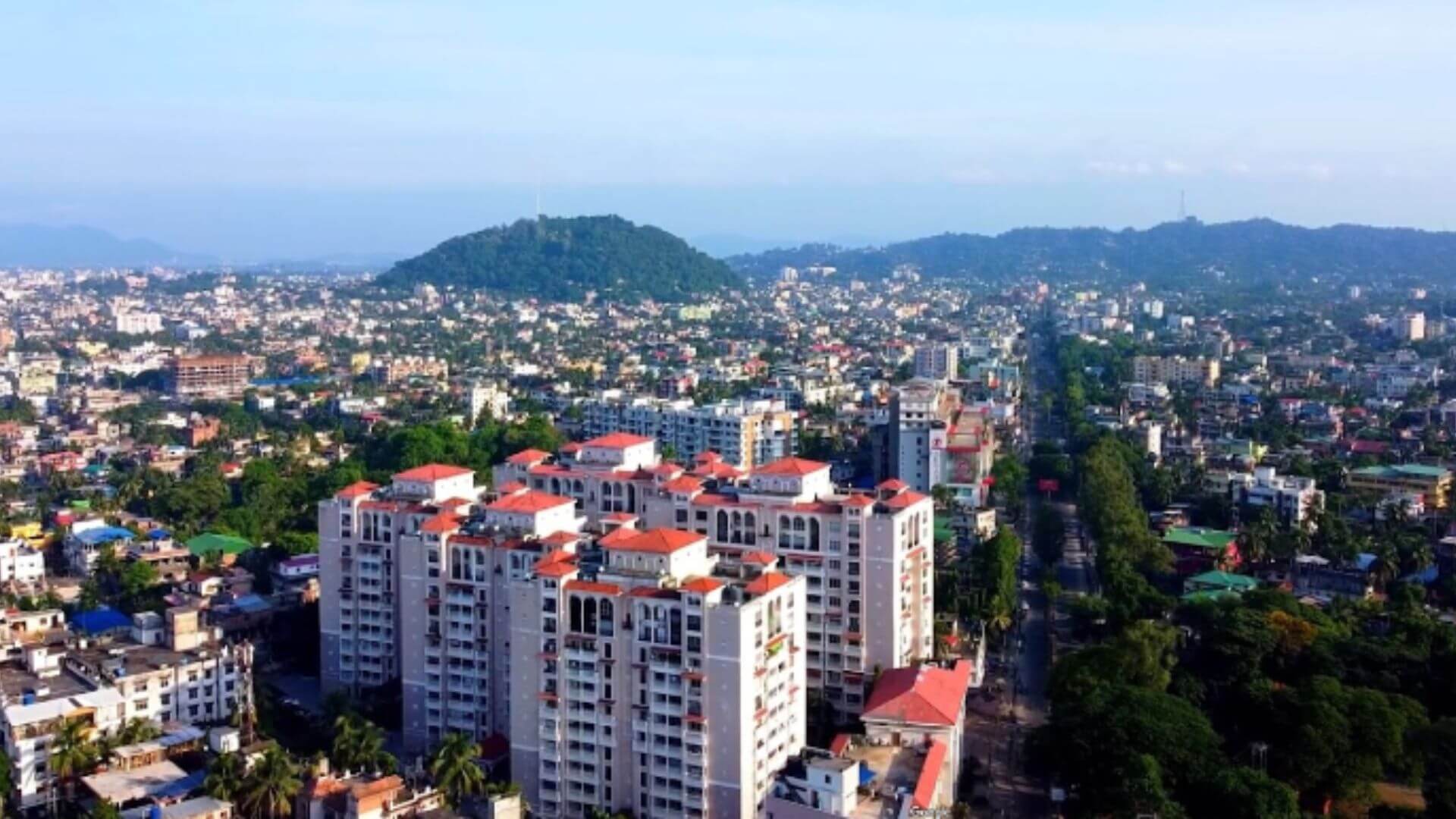
Encircled by lush hillsides and the thunderous Brahmaputra, the city offers an abundance of breathtaking vistas. This picturesque city enchants you with the way it combines many different elements into one thrilling encounter.
Climate and geographic characteristics
The district of Kamrup includes Guwahati. Guwahati is also home to Dispur, the capital of Assam. If you visit the city, between the slopes of the Shillong plateau and the southern bank of the Brahmaputra River, you can see Guwahati. Guwahati reaches towards North Guwahati so its geographical beauty expands even to the north.
If we talk about climate, Guwahati continues to have a mild climate. Winter temperatures range from 10 to 30 degrees Celsius, while summer temperatures stay between 20 and 32 degrees Celsius. October through December and February through April are the ideal times of the year to travel to Guwahati. Guwahati experiences a mild, visitor-friendly climate throughout this period.
Good Guwahati people
The Mongolian group is the most prevalent in Guwahati. Additionally, one observes the blending of several tribes, including the Indo-Burmese, Mongolian, Aryan, and Indo-Iranian.
The inhabitants of Guwahati are very modest and straightforward, with a strong sense of hospitality. The kindness and politeness of the locals makes the journey to Guwahati memorable.
The customs of Guwahati
The primary hub for Assamese cultural activity is Guwahati. Guwahati is famous for its festivals, creative endeavors, cuisine, music, and dancing.
The center of culture for the whole Northeastern region is Guwahati. Artwork, handmade goods, culturally relevant handlooms, and other works of art portray their customs and heritage. Significant performances and concerts from neighboring states are also held in the city.
Language and festivals of Guwahati
The most significant holy day observed in Guwahati is Bihu. The city has a high level of communication and comprehension of Assamese, Bengali, Hindi, and English.
Transportation facilities of Guwahati
There is an advanced transportation system in Guwahati. Guwahati's main airport is the Lokopriya Gopinath Bordoloi International Airport. Every significant domestic airline operates flights to and from Guwahati. The main railway station in Guwahati is Guwahati Junction. Guwahati is a part of the Indian Railways' Northeast Frontier Railway Zone.
Trains travel from Gauhati to the nation's main cities and the other way around. The Government connects Guwahati to West Bengal, Bihar, Jharkhand, and the entire Northeast through national highways. There are several ways to get around Guwahati city, including buses, taxis, trekker jeeps, bicycle, and more.
As previously noted, Guwahati is a fast-growing city that manages to combine both traditional and modern ways of life.
Guwahati's alluring tourism offers
One of the most popular travel destinations in all of Northeast India is Guwahati. The city is brimming with stunning tourist destinations. Many visitors explore the location every year to take in its splendor. Historic temples, water bodies, museums, cultural monuments, and sanctuaries abound in Guwahati. One of Guwahati's main draws is the majestic Brahmaputra River. It is Guwahati's lifeblood.
Past and present of Guwahati | History of Guwahati
Ancient puranic and epic literature have mentioned the city, Guwahati being named as one of Asia's oldest towns. The historic temples of Kamakhya, Basistha, and Navagraha, which have been here for eons, attest to Guwahati's presence.
Gowhatty was the title of the city before colonization, Gauhati during the British period, and Guwahati once more in the late 1980s. Once known as Kamrupa, it served as the capital of prehistoric Assam. Combining two Assamese terms results in the name Guwahati.
Guwahati is a modern, multicultural metropolis that is growing quickly. The administration has worked hard to enhance the city's economic growth, lifestyle, logistics, and educational system, as well as to give its citizens access to basic services.
The city of Guwahati has emerged as Northeast India's most significant trading hub. The center of promotional activities, sales, and supply chain distribution is Guwahati. The production of tea and oil has a significant role in the city's economy. The real estate industry has grown in Guwahati these days.
What has made Guwahati well-known?
The historic Kamakhya Devi temple and its inspiring experiences are the main draws of Guwahati. The city is home to numerous temples that will enthrall you. The city is popular for its vibrant escapes and immaculate atmosphere.
Guwahati's Delectable Cuisine to Try
Northeastern India is a melting pot of exquisite cuisine and cultures. Because Guwahati has close connections to its neighbouring states and nations, it has generated certain unique cuisines that you cannot discover anywhere else in India. Some of the mouthwatering dining possibilities in Guwahati are as follows:
- Jhal Muri
- Masor Tenga
- Payash
- Chowmein
- Khaar
- Luchi
- Thukpa
- Silkworms
- Momos
Ibraheem Ali Opinion About Guwahati
Guwahati is an amazing find of modernism and incredibly rich culture, the result of a thriving economy and the aspirations of its people to engage with the industrialized world. The Northeast is distinct from other regions of the subcontinent due to its beautiful terrain, variety of groups, and environmental and topographical richness.