Car shifting services in India operate on a well-established process that most vehicle owners have never seen from the inside. The moment you hand your keys to a transport company, a specific sequence of steps takes place — booking, survey, loading, transit, delivery, and inspection — and knowing what each step involves puts you in a far stronger position to protect your vehicle and resolve any disputes that arise.
This guide explains exactly how professional car shifting works in India from start to finish, what your responsibilities are at each stage, and the specific checks that prevent the most common problems vehicle owners encounter during intercity car transport.
Step 1: Getting a Quote and Booking the Service
Car shifting quotes in India are given based on the vehicle type, transport distance, carrier type (open or enclosed), and whether door-to-door or terminal-to-terminal service is requested. Always get at least two to three written quotations before confirming a booking. A legitimate car transport company will ask for the vehicle registration number, the make and model, the pickup and delivery addresses, and the preferred date before issuing a written quotation.
- Provide the exact vehicle details — make, model, and registration number — for an accurate quote
- Clarify whether the quote includes door-to-door pickup and delivery or requires terminal drop-off
- Confirm whether transit insurance is included or available as an add-on
- Ask for the expected transit time for your specific route in writing
- Pay no more than 20 to 30 per cent of the total as an advance before the vehicle is loaded
Step 2: Pre-Loading Inspection — The Most Important Step
Before your vehicle is loaded onto the carrier, the transport company will conduct a pre-loading inspection and record the existing condition of the car on a Vehicle Condition Report (VCR) or inspection sheet. This document is your most important protection against false damage claims or disputes at the destination. Do not allow loading to begin until this step is complete.
- Walk around the entire vehicle with the company representative before loading
- Photograph every existing scratch, dent, scuff, and paint chip from multiple angles
- Ensure all existing damage is recorded on the VCR — do not accept a blank or incomplete form
- Keep a signed copy of the VCR and your photographs on your phone throughout the transit period
- Remove all personal belongings from the car interior — most companies do not accept responsibility for items left inside
Step 3: Transit — What Happens to Your Car en Route
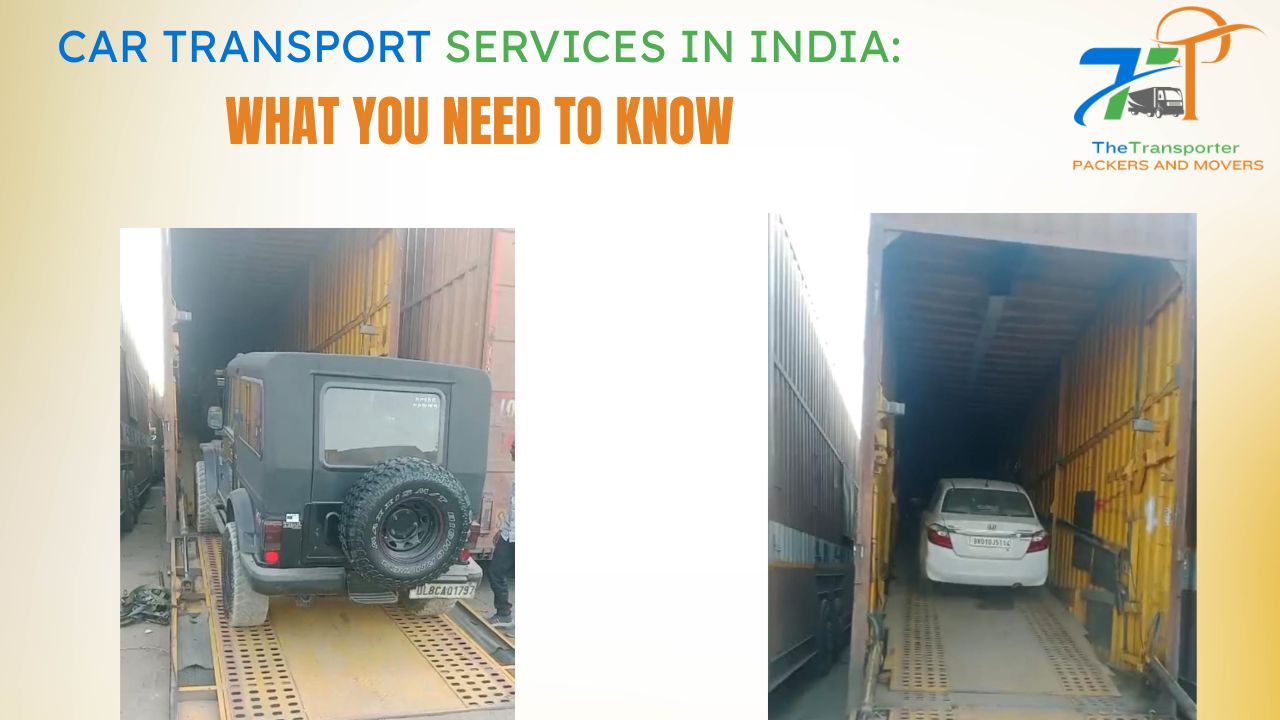
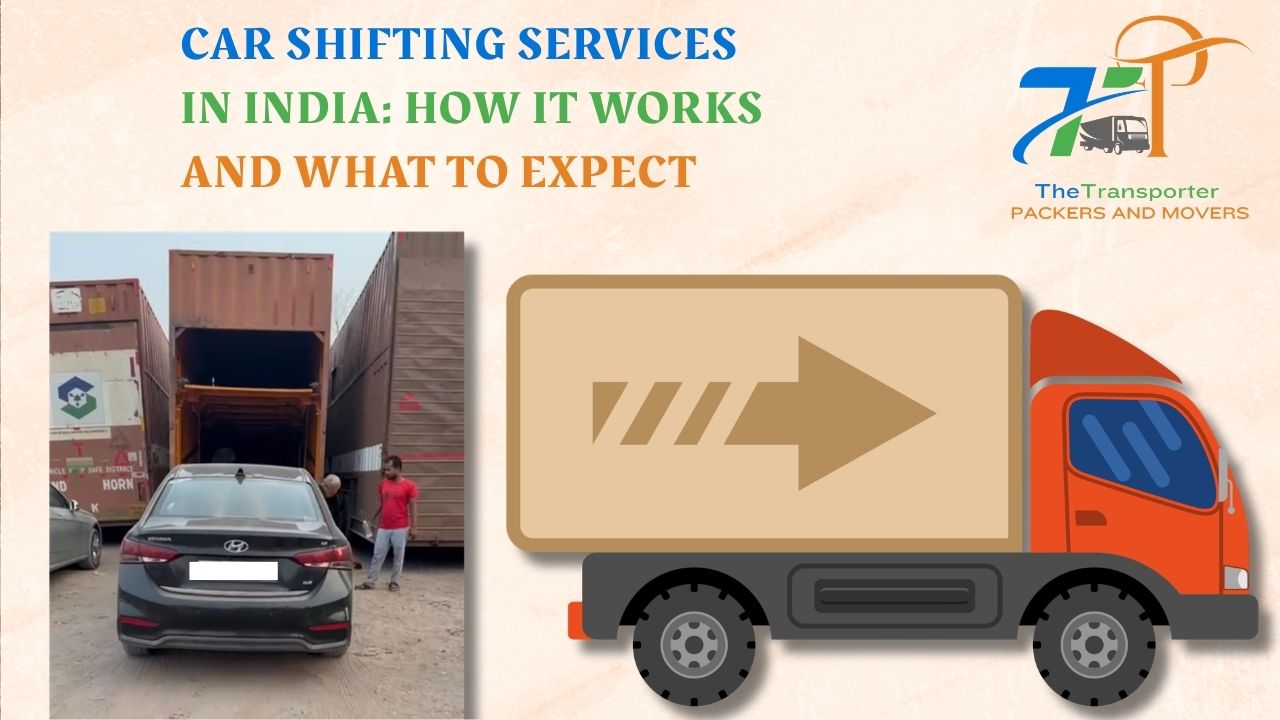
Once loaded, your vehicle travels on an open multi-level carrier or enclosed trailer depending on the service booked. Open carriers expose vehicles to road dust, light rain, and sun during transit — acceptable for standard cars but not ideal for premium or recently detailed vehicles. A reputable company will provide a tracking contact or SMS updates at key transit points. Transit times within India typically range from 2 to 6 days depending on the route.
- Reduce the fuel level to approximately one-quarter tank before loading — a full tank adds unnecessary weight and is a fire risk
- Disable any aftermarket alarm systems that may trigger during transit and drain the battery
- Keep the transport company contact number saved and check in after 24 hours if no update is received
- Do not expect real-time GPS tracking from most standard Indian car transport companies — phone updates are the norm
Step 4: Delivery and Post-Delivery Inspection
At delivery, conduct a second condition inspection before signing any delivery receipt. Compare the vehicle condition against your pre-loading photographs and the VCR. Inspect all panels, the roof, the bonnet, all glass surfaces, the tyres, and the interior for any new damage. If any damage is found, note it on the delivery receipt before signing and photograph it immediately. Do not sign a clear delivery receipt and then raise a damage claim — a signed clear receipt is treated as confirmation that the vehicle arrived in acceptable condition.
- Inspect the vehicle fully in daylight before signing the delivery receipt
- Compare the current condition directly against your pre-loading photographs
- Note any new damage on the delivery receipt before signing — get the delivery agent to countersign your note
- Start the engine and check that all electronics, lights, and controls are functioning before the delivery agent leaves
- Raise any insurance claim within 24 to 48 hours of delivery — most policies have a short reporting window