Transporting your bike from one place to another can be a big task, especially if you are moving long distances or across states. Understanding the cost of transporting a bike can help you plan better and avoid unexpected expenses.
In this guide, we will walk you through how to estimate the transport charges for your bike, different methods of bike transport, and how to ensure its safe and cost-effective transportation.
Understanding the Cost of Transporting Your Bike
The cost of transporting a bike depends on several factors. Here are the key things that influence the price:
1. Distance of Transport
Just like with moving other goods, the distance between the pick-up location and the delivery point is one of the biggest factors that affects the cost. Transporting a bike locally within the same city will cost less compared to transporting it across states or even internationally.
For example, the cost of transporting a bike within a city might start at Rs.1,000–Rs.2,000, while a long-distance move could cost Rs.5,000–Rs.10,000 or more, depending on the distance.
2. Type of Bike
The type of bike you are transporting also affects the cost. If you are transporting a regular commuter bike, it will usually be cheaper than transporting a sports bike, motorcycle, or luxury bike. Larger bikes may require extra care and special packing, which can increase the cost.
For example, transporting a regular bike might cost Rs.1,500–Rs.3,000, while transporting a motorcycle can range from Rs.3,500–Rs.7,000 depending on the distance and company.
3. Transport Method
There are several ways to transport a bike, and the method you choose can greatly impact the price. Different transport methods offer varying levels of safety, speed, and cost. Let’s explore the different methods of bike transport and their associated charges:
Different Methods of Bike Transport and Their Associated Charges
1. Road Transport (Via Truck)
Road transport is one of the most common methods for transporting bikes, especially within cities and states. Your bike is placed in a truck and secured for the journey. This method is generally affordable and safe.
The cost for road transport typically starts at Rs.1,500–Rs.5,000 for a local move, depending on the distance and type of bike. For long-distance moves, the price could range from Rs.5,000–Rs.12,000 or higher. The charges also depend on whether the bike is packed in a crate or just secured in the truck.
2. Rail Transport
Rail transport is a more cost-effective way to transport bikes over long distances. Indian Railways offers bike transport services, which can be a good option for those moving a bike across states or large distances.
The cost for rail transport of a bike generally ranges from Rs.800–Rs.3,000 depending on the distance, type of train (Passenger or Parcel), and whether it is a regular or express train. However, you will need to pack your bike properly and deliver it to the railway station for shipment.
3. Air Transport
If you need to transport a bike quickly or over a very long distance, air transport might be an option. However, this is usually the most expensive method of transporting a bike. Air transport is generally preferred for high-value or luxury bikes.
The cost of air transport can range from Rs.10,000–Rs.25,000 or more, depending on the weight and size of the bike, as well as the destination. This method is quick but costly, and it usually requires extra packing to protect your bike during transit.
4. Bike Shipping Services
Bike shipping companies offer door-to-door delivery services where the bike is picked up from your location and delivered directly to your new home. These companies use trucks, containers, or crates to secure the bike during transport.
The cost for bike shipping services can vary widely depending on the type of service (premium or standard) and the distance. Typically, charges for this method start from Rs.3,000 for local moves and can go up to Rs.12,000–Rs.20,000 for long-distance moves.
How to Ensure the Safe and Cost-Effective Transportation of Your Bike
Transporting a bike safely and affordably requires some planning and care. Here are a few tips to ensure that your bike reaches its destination safely while also keeping costs low:
1. Proper Packing
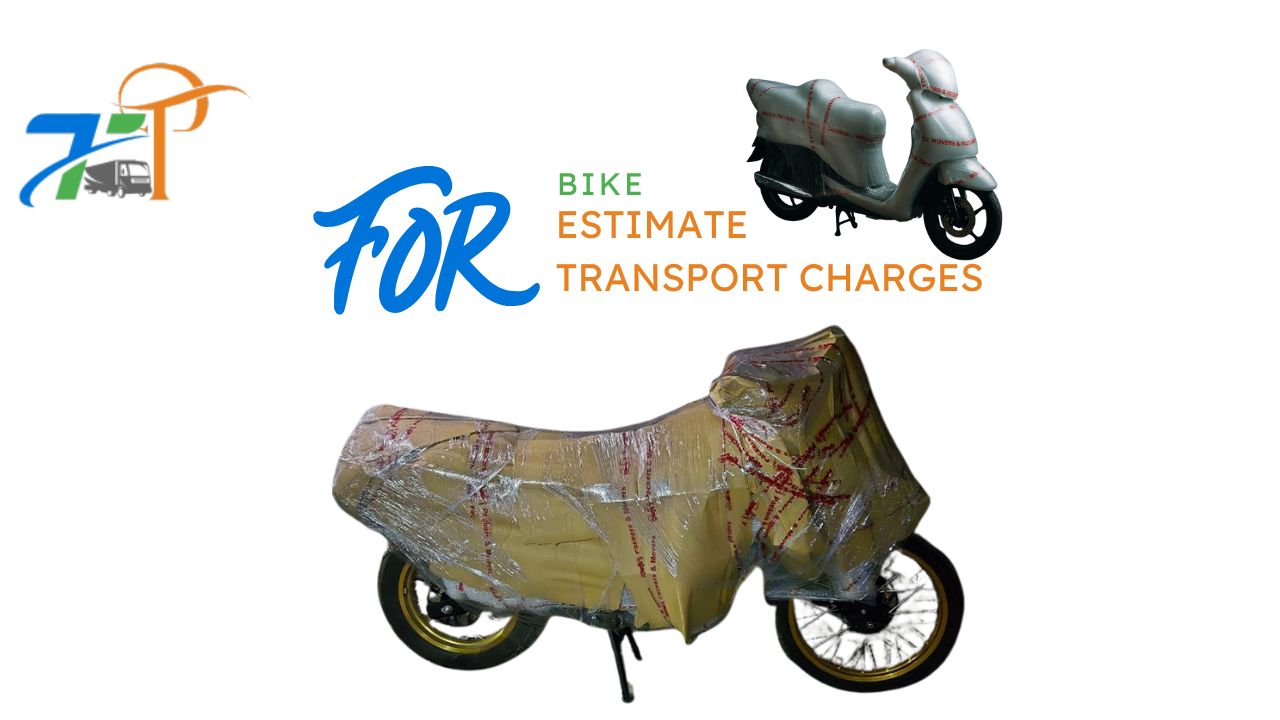
Proper packing is essential for protecting your bike during transport. Whether you are shipping it by road, rail, or air, make sure the bike is securely packed in a crate or container. Use bubble wrap, foam padding, or old blankets to protect the bike from scratches and impacts.
If you are transporting a motorcycle or sports bike, make sure the fuel tank is empty, and remove any loose parts that could get damaged during transit.
2. Choose the Right Transport Method
Choose a transport method that fits your budget and timeline. If you are looking for the most affordable option, road or rail transport will likely be the best choice. However, if time is important, air transport may be faster, though more expensive. Always compare the costs and transit times of different methods before making a decision.
3. Get Multiple Quotes
Always get quotes from multiple transport companies. Prices can vary greatly depending on the company, method, and distance. By comparing quotes, you can find the most cost-effective option without sacrificing the safety of your bike.
Ask about any hidden fees, such as additional charges for packaging, delivery, or insurance, so that you can budget accurately.
4. Consider Insurance
While some transport methods include basic insurance, it may not cover the full value of your bike in case of damage or loss. Consider purchasing additional insurance, especially for high-value bikes. Insurance usually costs around 1%–2% of the bike’s value but can give you peace of mind during the transport process.
5. Plan Ahead
Book your transport in advance, especially if you are moving over long distances or during peak times. Last-minute bookings can be more expensive and may limit your options. By planning ahead, you can take advantage of discounts or promotions and secure a better price for bike transport.
Transporting a bike requires careful planning, but it does not have to be expensive. By understanding the key factors that influence the cost of transport, comparing different transport methods, and following the tips for safe packing and cost-effective transportation, you can ensure that your bike reaches its destination safely without breaking the bank.
Always take the time to gather multiple quotes, choose the right method for your needs, and consider insurance for added protection. With the right preparation, you can enjoy a smooth and affordable bike transport experience.