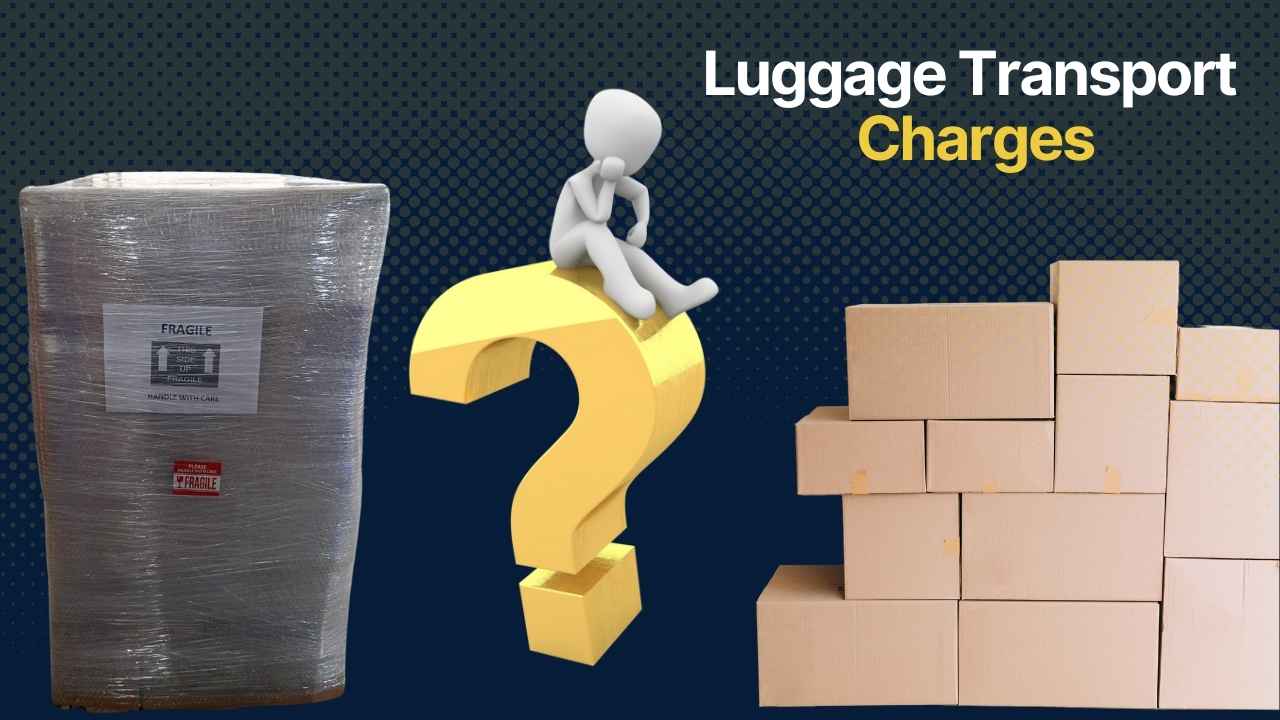
Estimating transport charges for your goods can often feel overwhelming, especially if you're unfamiliar with the factors involved. Knowing how to calculate transport charges accurately is crucial for budgeting and avoiding unexpected expenses during your move.
Several variables influence truck transport pricing, such as distance, weight, and type of goods. Using a goods transport cost calculator can simplify the process, but understanding the formula and underlying factors gives you more control over the costs.
This guide provides a step-by-step approach to calculating goods transport charges, helping you estimate costs effectively and make informed decisions for your transport needs.
Key Factors Influencing Transport Charges
Distance
Distance is one of the primary factors in calculating transport charges. The longer the distance, the higher the cost due to increased fuel consumption, driver wages, and vehicle maintenance.
Routes with well-maintained roads and minimal tolls may cost less compared to routes with challenging terrains or high toll expenses. Providers often have standard rates per kilometer, which serve as a base for estimating charges.
Discussing the route details with your service provider ensures accurate cost estimation and transparency.
Weight and Volume
The weight and volume of the goods directly impact truck transport pricing. Heavier and bulkier shipments require larger vehicles, which consume more fuel and incur higher wear-and-tear costs.
Some providers use volumetric weight calculations, especially for lightweight but bulky items, to determine the cost. Understanding this method helps you optimize your packing and reduce unnecessary expenses.
Accurate weight and volume measurements are essential to ensure fair pricing and prevent additional charges.
Type of Goods
The nature of the goods being transported affects the pricing. Fragile items, hazardous materials, and perishable goods require specialized packaging and handling, increasing the overall cost.
For example, moving furniture may cost less than transporting electronics or refrigerated goods due to additional care and equipment required for sensitive items.
Providing detailed information about your goods to the service provider ensures accurate pricing and avoids delays or damages during transit.
Mode of Transport
The choice of transport mode—dedicated trucks, shared transport, or express delivery—affects the charges. Dedicated trucks are ideal for large shipments but cost more, while shared transport offers a budget-friendly option for smaller loads.
Express delivery services provide faster transit times but come at a premium price. Terminal-to-terminal services are generally more affordable than door-to-door options.
Selecting the appropriate mode based on your needs helps balance cost and convenience effectively.
How to Use a Goods Transport Cost Calculator
Input Distance and Location Details
Start by entering the pickup and delivery locations into the goods transport cost calculator. The tool will calculate the distance and apply standard rates per kilometer based on the route.
Ensure that the locations are accurate to avoid errors in the distance calculation, which could lead to incorrect estimates.
Most calculators also factor in route-specific details, such as toll charges or road conditions, for a more precise result.
Add Weight and Volume Details
Enter the weight and volume of your goods into the calculator. Use a scale or volumetric weight formula (length × width × height / standard divisor) to determine the correct measurements.
This step is crucial for determining the type of vehicle required and the associated costs. Larger or heavier shipments will increase the overall transport charges.
Accurate input ensures that the calculated cost reflects your actual requirements and avoids discrepancies during billing.
Select Additional Services
If you require additional services like packaging, insurance, or express delivery, include these options in the calculator. Each service adds to the total cost, so choose only what is necessary for your move.
For example, professional packaging is recommended for fragile items, while insurance provides financial protection against potential damages during transit.
Discussing these options with your provider ensures transparency and helps you prioritize your spending.
Review and Compare Quotes
Once you’ve entered all the required details, review the calculated cost and compare it with quotes from multiple providers. This step helps you identify competitive pricing and the best value for your money.
Look for transparent pricing structures and check for any hidden fees or conditions that may affect the final cost.
Using a goods transport cost calculator gives you a baseline for comparison, helping you make an informed decision.
Tips for Reducing Transport Charges
Plan Ahead
Booking your transport services in advance helps secure lower rates and avoid last-minute price hikes. Service providers often offer discounts for early bookings during off-peak seasons.
Planning ahead also allows you to compare options and negotiate better deals with providers.
Discuss your timeline with the provider to align your schedule with their availability and cost-saving opportunities.
Consolidate Shipments
Combining multiple shipments into one reduces the overall cost by optimizing vehicle capacity and minimizing trips. This strategy works well for both personal relocations and business deliveries.
Shared transport services offer additional cost-saving opportunities by splitting the expenses among multiple customers.
Ensure proper labeling and documentation to avoid mix-ups during consolidated transportation.
Choose Affordable Transport Modes
Shared transport and terminal-to-terminal services are often more cost-effective than dedicated trucks or door-to-door delivery. These options work best for non-urgent or smaller shipments.
Discuss your budget and requirements with the service provider to identify affordable alternatives without compromising on quality.
Choosing the right transport mode ensures you pay only for the services you need, reducing unnecessary expenses.
Negotiate with Providers
Don’t hesitate to negotiate with your transport provider for better rates. Many companies are open to offering discounts, especially for bulk shipments or repeat customers.
Highlight your budget constraints and explore opportunities for customized solutions that meet your needs at a lower cost.
Effective negotiation helps you secure affordable truck transport pricing while maintaining quality service.
Calculating goods transport charges involves understanding the factors that influence pricing, such as distance, weight, and type of goods. Using a goods transport cost calculator simplifies the process, giving you accurate estimates based on your specific requirements.
By planning ahead, consolidating shipments, and choosing the right transport mode, you can save on transport charges without compromising on reliability or safety. Comparing quotes and negotiating with providers further ensures you get the best value for your money.
Contact TheTransporter Packers and Movers for transparent pricing and reliable goods transport services. Get a free quote today!