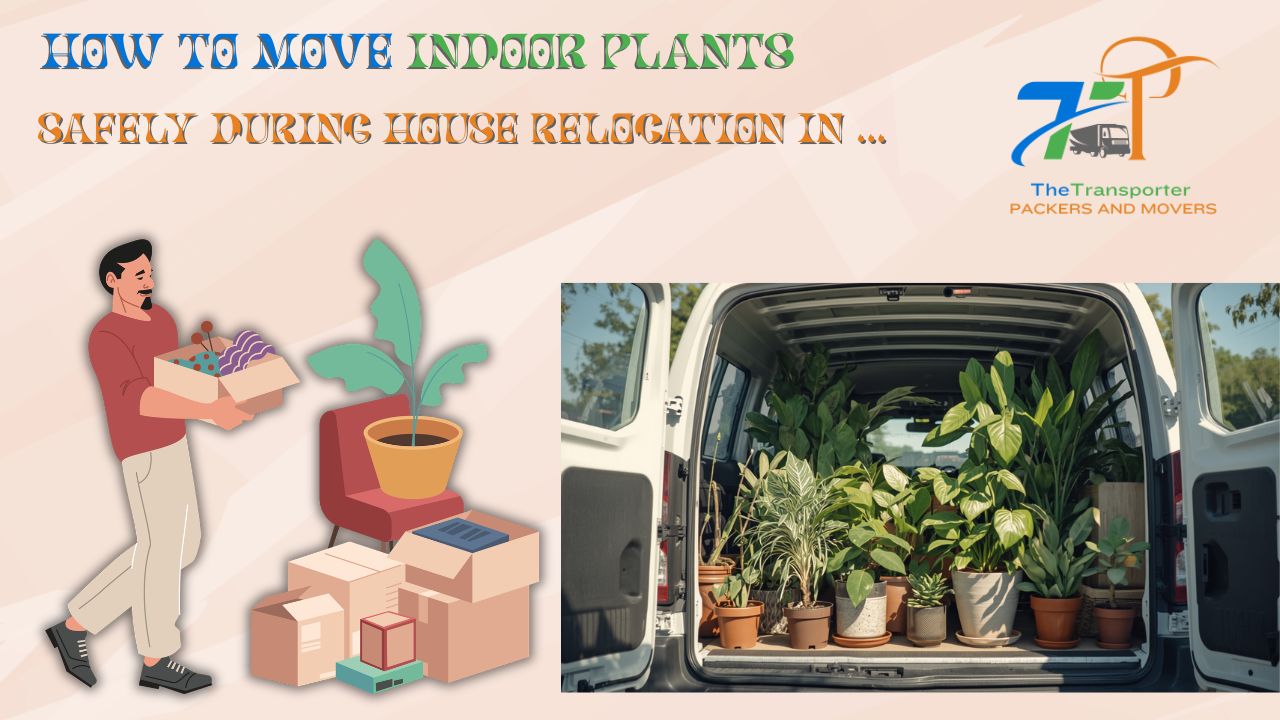
Indoor plants represent months or years of careful cultivation, and losing them during a house relocation is both avoidable and frustratingly common. Unlike furniture or packed boxes, plants are living organisms that respond physically to stress, heat, darkness, and rough handling — all of which occur during transit. Understanding what plants need at each phase of a move is the difference between thriving greenery in your new home and a collection of avoidable losses.
Whether you are moving a small windowsill collection of succulents or an entire indoor garden with large statement plants, the questions below address every stage of relocating indoor plants during a house move in India — from preparation weeks before moving day through to recovery and re-establishment in the new environment.
How Far in Advance Should You Prepare Indoor Plants for a Move?
Begin preparing indoor plants two to three weeks before moving day. This window provides time to prune overgrown growth, treat existing pest problems, and allow plants to stabilise before the stress of transit. Pruning two weeks in advance reduces the physical size of plants for easier handling and channels the plant energy toward root health rather than maintaining unnecessary leaf mass.
- Two to three weeks before moving day: Prune to a manageable size; re-pot severely root-bound plants with fresh soil; treat any pest infestation immediately with neem oil or an appropriate pesticide
- One week before moving day: Stop all fertilising — applying fertiliser to roots that are about to experience transit stress causes additional damage rather than helping
- Two to three days before moving day: Water thoroughly and allow the soil to partially drain before packing day arrives
- Moving day itself: Do not water on the day of the move — saturated, heavy soil makes pots unstable, increases the chance of tipping, and encourages root rot during a long vehicle journey
What Is the Best Way to Pack Indoor Plants for Transit?
Wrap each pot in two layers of newspaper or bubble wrap secured with tape to prevent soil spillage. Slide a plastic bag loosely over the base of the pot and tie it around the lower stem — this contains loose soil without restricting airflow to the plant. For tall or top-heavy plants such as Monstera or Fiddle Leaf Fig, insert a bamboo stake and tie the main stem loosely to prevent snapping during vehicle movement.
Pack pots upright in open-top cardboard boxes, filling the gaps between pots with crumpled paper so containers cannot knock against each other in transit. Punch ventilation holes in the sides of each box if the journey exceeds two hours. Never allow heavy household boxes to be stacked on top of plant boxes in the vehicle or truck — even a brief period of pressure can crack stems and crush leaves.
How Do You Protect Plants from Heat During a Summer Move in India?
Heat is the primary threat to indoor plants during relocation in India, particularly during the peak summer months of April through June when temperatures in cities such as Delhi, Nagpur, and Hyderabad regularly exceed 42 degrees Celsius. The interior of a closed, parked vehicle can reach temperatures lethal to most plant species within 20 minutes of standing in direct sunlight.
- Transport plants in the air-conditioned passenger cabin of your vehicle — never in an open cargo area or the moving truck
- Never leave plants unattended in a parked vehicle during warm weather, even for a few minutes
- Schedule long-distance plant transport during the early morning or late evening when ambient temperatures are significantly lower
- Cover plants loosely with a white cotton cloth if direct sunlight enters through the vehicle window during the journey
- Note that some Indian states maintain phytosanitary regulations restricting the movement of certain plant species across their borders — check with the relevant state agriculture department before interstate travel with large plant collections
How Long Does It Take for Indoor Plants to Recover After a Move?
Most indoor plants display visible stress responses after a move — leaf drop, yellowing of lower leaves, and temporary wilting are all normal and do not indicate permanent damage in healthy plants. Recovery time varies by species, but the majority of common household plants recover fully within two to four weeks when given the correct post-move care and environmental conditions.
- Place plants immediately in lighting appropriate to their species — avoid harsh direct sunlight in the first week as it increases dehydration stress on already-weakened roots
- Resume a consistent watering schedule but avoid overwatering — roots stressed by transit are more vulnerable to root rot than usual
- Hold off on all fertilising for four to six weeks after the move to allow root systems to stabilise in the new environment
- Keep plants away from air conditioning vents and ceiling fans during the first two weeks to minimise dehydration
- Mist the leaves of humidity-loving species such as ferns, peace lilies, and calatheas daily during the adjustment period to support recovery