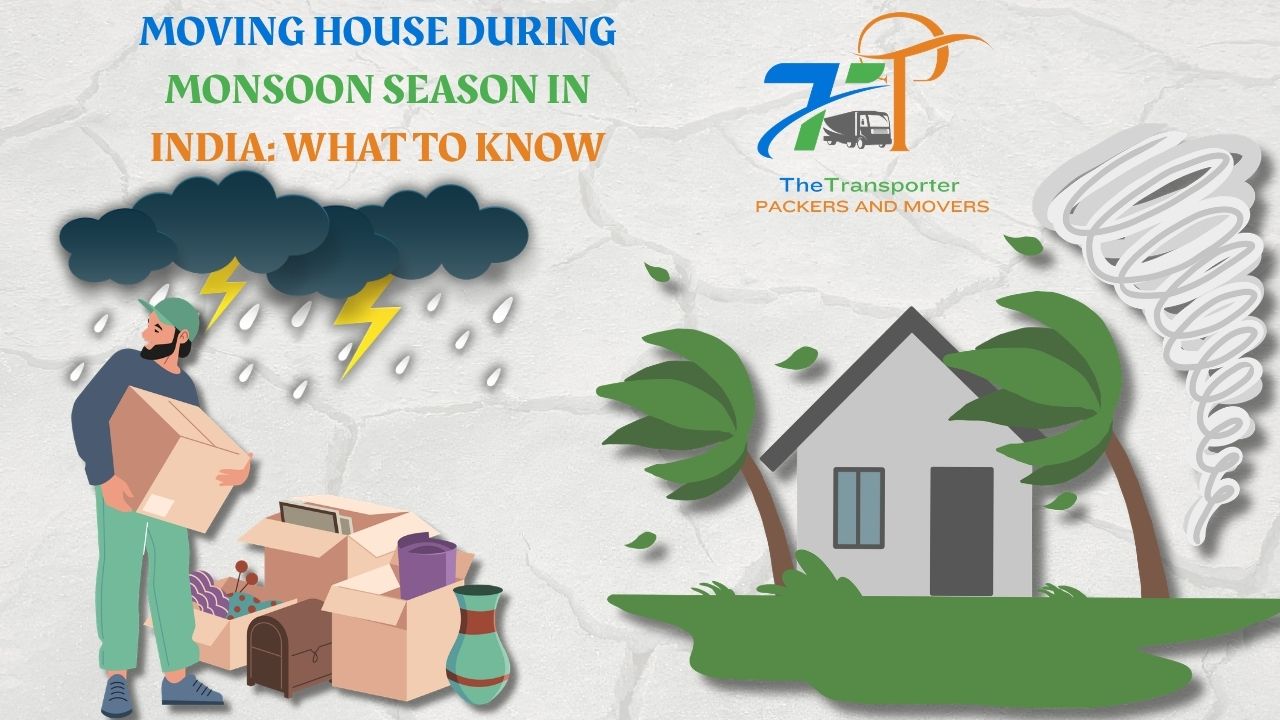
Monsoon season in India typically runs from June through September across most of the country, with the heaviest rainfall concentrated in July and August in most cities. Moving house during this period is not uncommon — lease cycles, job relocations, and school year changes do not pause for weather — but it does introduce a specific set of risks that require deliberate preparation to manage.
The core risk in a monsoon move is water damage. This affects not just electronics and furniture, but also cardboard boxes, documents, mattresses, wooden items, and any upholstered surface. A move that would take two hours in dry weather can stretch to four or more in heavy rain, and each additional hour of exposure increases the cumulative risk to your belongings. This guide addresses each major risk category and provides concrete steps to manage it effectively.
Risk 1: Cardboard Box Failure in Wet Conditions
Standard single-wall cardboard boxes are designed for dry conditions. Once wet, the structural integrity of a cardboard box degrades rapidly — the bottom can give way under load, and the contents are effectively unprotected from water penetration. This is the most common and most easily prevented source of damage in a monsoon move.
- Use double-wall or heavy-duty boxes wherever available — they take longer to saturate and retain structural strength significantly longer than single-wall alternatives.
- Line the inside of every box with a heavy-duty garbage bag before packing. Seal the bag inside the box before closing the lid — this creates a waterproof inner layer that protects contents even if the outer box becomes wet.
- Seal the exterior of every box with waterproof tape, not standard packing tape, paying particular attention to the bottom seam.
- For maximum protection, use plastic storage crates or hard-sided containers for the most water-sensitive items — documents, electronics, and items that cannot be replaced.
Risk 2: Furniture and Upholstery Damage
Upholstered furniture — sofas, mattresses, cushioned chairs — absorbs moisture rapidly and takes days to dry once wet. Wet upholstery in an enclosed space develops mould growth within 24 to 48 hours, which can render an item unusable. Solid wood furniture is also at risk from sustained moisture exposure, which causes swelling, warping, and paint or veneer lifting.
- Wrap mattresses in heavy-duty waterproof plastic sheeting secured with tape — do not rely on standard mattress bags, which are not designed for heavy rain exposure.
- Cover all upholstered furniture with waterproof tarpaulins or moving blankets overlaid with plastic sheeting before loading.
- For wooden furniture, apply a water-repellent cloth or plastic cover over the wood surface and pay particular attention to joints and edges where water penetrates most easily.
- Elevate furniture items off the truck floor during loading if standing water is present in the vehicle.
Risk 3: Electronics and Appliances
Water and electronics represent the highest-risk combination in any monsoon move. Even brief exposure to rain during loading or unloading can cause short-circuit damage that is not immediately apparent — a device may appear to function normally and then fail days later once internal corrosion develops. The protection strategy for electronics during a monsoon move must be more rigorous than in any other season.
- Wrap every electronic item in anti-static bubble wrap, then place the wrapped item inside a sealed heavy-duty garbage bag before boxing.
- Label electronics boxes with a red FRAGILE and KEEP DRY marking on all sides.
- Transport electronics in the passenger cabin of a vehicle wherever possible rather than in the open load area.
- Do not power on any electronic device immediately after transit in wet conditions — allow the item to reach room temperature and confirm no moisture is visible before connecting to power.
- For appliances that have been exposed to rain, allow a minimum of 12 hours in a dry, ventilated space before switching on.
Risk 4: Documents and Important Papers
Original documents — property papers, passports, certificates, insurance policies, and financial records — are irreplaceable and among the highest-priority items to protect in any move. In a monsoon move, document protection requires specific packaging rather than relying on the cardboard box they are placed in.
- Place all original documents in resealable waterproof zip-lock bags or a waterproof document pouch before packing.
- Carry documents yourself in a waterproof bag rather than loading them in the moving truck.
- Photograph every important document before moving day and store the photos in cloud storage — this provides a digital backup regardless of physical conditions during transit.
Practical Moving Day Strategies for the Monsoon
In addition to waterproofing your belongings, the logistics of a monsoon moving day require specific adjustments to the standard moving day plan.
- Begin loading as early as possible — morning hours typically see lighter rainfall than afternoon in most Indian monsoon regions, and an early start provides buffer time if the move takes longer than planned.
- Confirm with your packers and movers that their vehicle has a covered load area and that tarpaulins will be used over all open surfaces during transit.
- Have a supply of dry towels and a small squeegee at both the loading and unloading points to manage wet floors, which become a significant slip hazard during monsoon moves.
- If rain is forecast to be exceptionally heavy on moving day, contact your moving company to discuss rescheduling or splitting the move across two days — a brief delay is significantly less costly than water damage to your belongings.
- At the new home, allow all items to dry and reach ambient temperature before stacking or placing furniture against walls — wet surfaces trap moisture and encourage mould growth.