About Thane City : Western Maharashtra State | India
Basic information about Thane
In addition to having several tributaries, the two main rivers, the Ulhas and the Vaitarna, flow through this district.
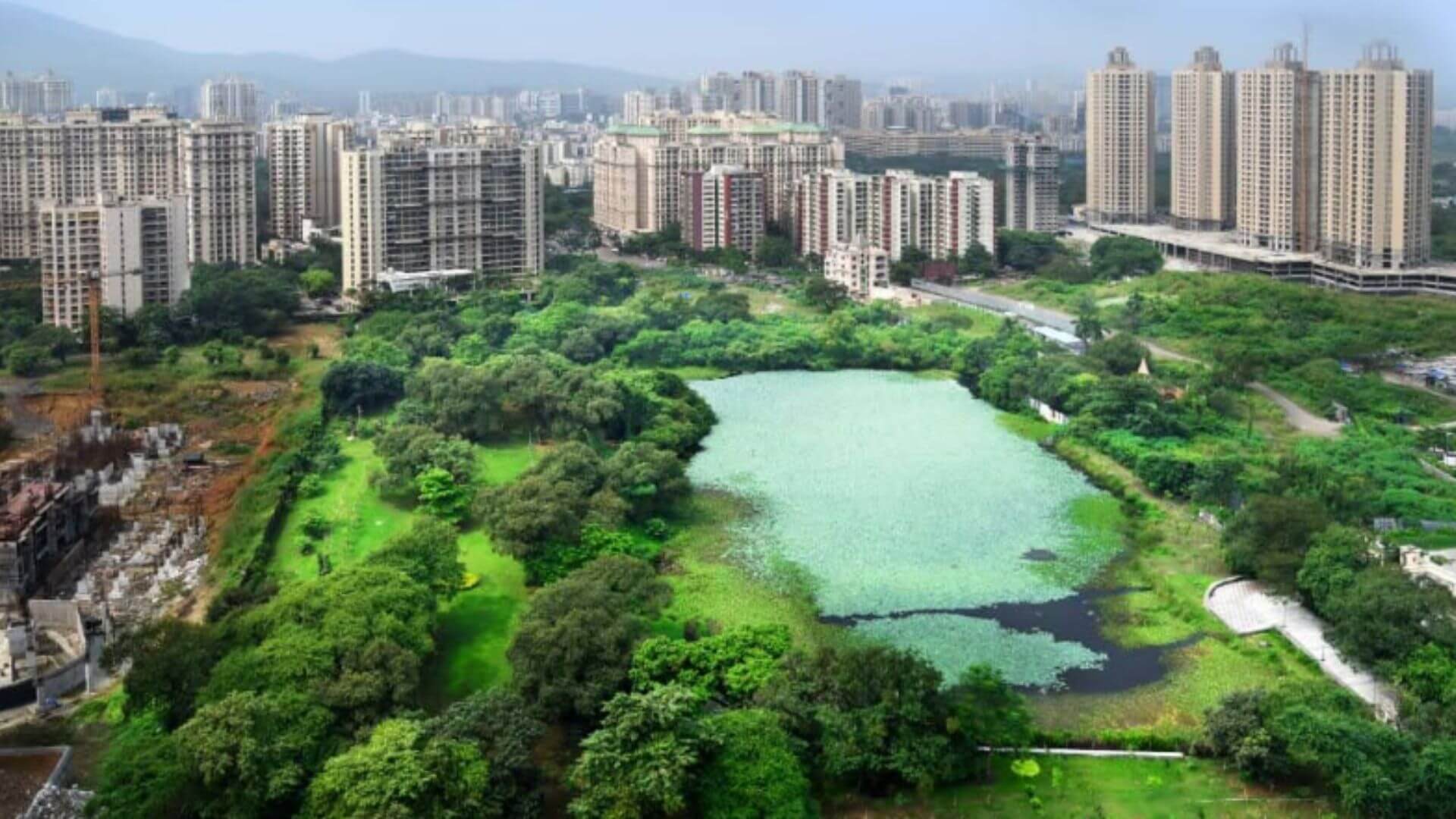
Since several of these lakes that you can see in the foothills of Parsik Lake and Yeoor Lake, they enhance the area's picturesque appeal. Though there are very few extremes to the climate, Thane has a lot of rainfall. Although there are numerous groups of Agri, Kohli, and Wadavli in Thane, Mahrashtrian heritage predominates and is therefore a popular location for numerous temples, including Ambarnath Temple, Shri Shani Mandir, Vajreshwari Temple, and others. This also leads to the creation of annual festival-type events.
Typically, Thane served as the starting point for the initial commuter train in Indian history, which ran between Thane and Chhatrapati Shivaji Terminus. Thanks to the Central and Trans-Harbor Suburban Rail networks, Thane has excellent access to the surrounding suburbs.
Thane lacks an independent airport but does have an excellent road system for transit. The closest airport that you can see within a 24-kilometre distance is Mumbai.
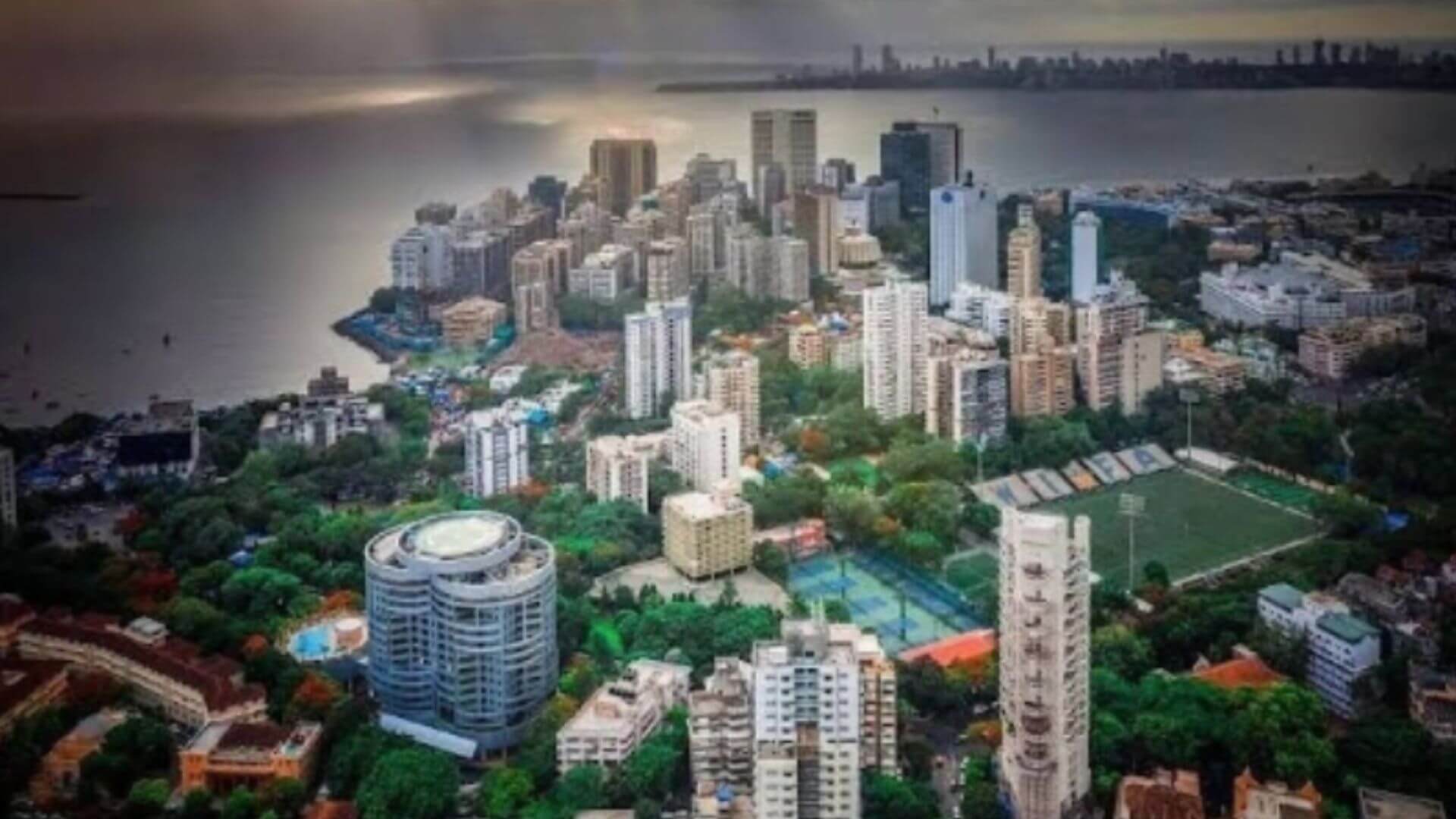
Thane's nearby accessibility to Mumbai has preserved its old features while giving it a modern perspective.
The place is efficient with five-star hotels, a large number of elegant eateries, and a variety of cafes lining the tourist attractions. Even recreational and athletic places of work, such as the Dadoji Kondevv Sports Stadium, among the most important stadiums in this district, and diving, gymnasiums, and basketball courts.
Background mythology about Thane
The Sanskrit word "sthana," which means "place," is the source of the English term "thane." In addition to serving as the birthplace of the prehistoric communities, Thane boasts an extensive artistic heritage, a mythological backdrop, a multitude of historically significant events, and archaeological groups that have all added to the region's rich past.
Background history of Thane
Thane's history dates back thousands of years. The writings indicated the beginning of historical kingdoms in western India, and the date of writing was approximately 1078 AD. In 1290 AD, Marco Polo, a middle-aged traveler, made a visit to Thane. He called the city a huge empire, and it seemed to have a sophisticated port in the Indian west.
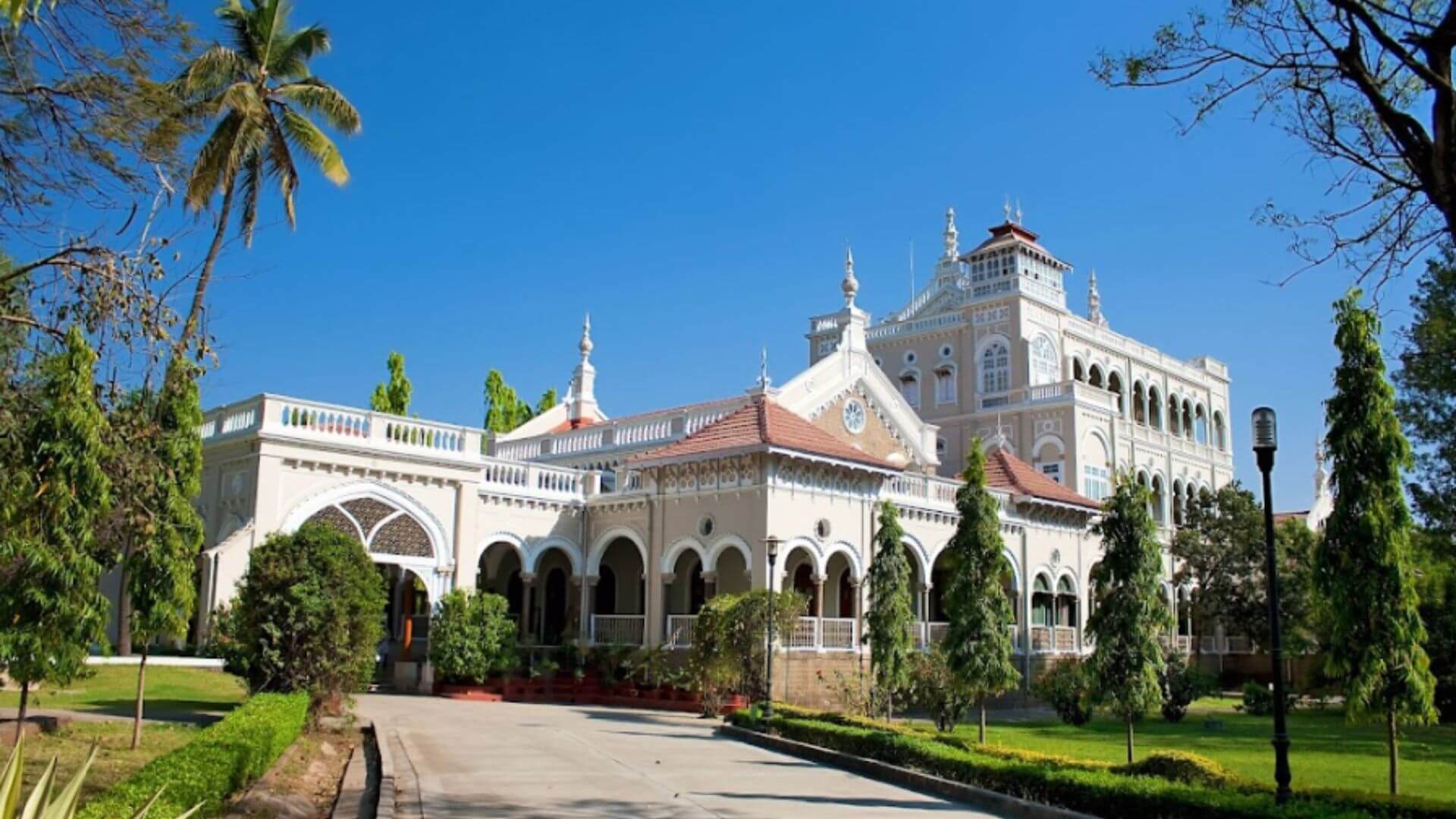
Arriving in Thane around 1530 AD, the Portuguese governed the region for 200 years. Thane received a referral to us " Cabaca De Tana" at the time. The establishment of Thana Fort dates back to 1730 AD. The Maratha Kingdom had subjugated Thane by 1739. However, the people called Thane Fort "Tana" after the British East India Company took it. They established the fort as Thane's headquarters. 1863 saw the founding of the Thane Municipal Council. Thane transformed into a city of residential neighborhoods following India becoming an independent nation in 1947.
Significant times in Thane's history: Thane - British Historical Era
Through the terms of the Treaty of Vasai with the Marathas, the British in 1802 acquired it, and the area that currently makes up the Thane district appeared in the Bombay Presidency in 1818, becoming a part of the North Konkan district, which has its center at Thana. Its borders have changed multiple times; in 1830 and 1833, portions of the South Konkan area came together with the North Konkan district. In 1833, the district known as " Thane" originated from the enlarged North Konkan area.
The initial railway route from Bombay to Thane began for service on April 16, 1853. One of the most significant turning points in the financial growth of the Bombay-Thane location, as well as the hinterland and surrounding places, was the launching of this railway link.
Thane: Following Independence
It joined Bombay State after freedom. After the dual-language State of Bombay split in 1960, the current State of Maharashtra emerged. The Kalyan tahsil split into Ulhasnagar and Kalyan in 1969. In 1982, the survey, division of New Mumbai (Thane) evolved with the intention of relieving congestion in Greater Mumbai by relocating office buildings and populace to New Mumbai.
Thane's geographical location
The Western Ghats form a ring of hills around Thane. The Arabian Sea, which divides the city and serves as its main source of water today, is the source of Thane Creek.
Maharashtra's capital city, Mumbai, has Thane in its northeastern region. This city qualifies as the residential center subsequent to Mumbai.
Thane's weather
This city experiences a humid, subtropical climate. 25 degrees Celsius is the lowest temperature while 37 degrees Celsius is the fullest extent possible. Thane receives 1500–2000 mm of rain annually.
Thane's economic growth
There's a big industrial region in Thane. Numerous large and minor industries contribute to the economy. In the chemical, the field of engineering, clothing, textile, and electrical sectors, Thane is a favorite.
Sightseeing in Thane
The lakes are the main source for vacations in Thane. The " City of Lakes" is a common name for Thane. There are about 20 lakes in Thane, and a few of them that you can visit as nature parks to increase tourism. Notable tourist destinations in this area include Brahamala Lake, Datiwali Lake, Dawala Lake, Devasar Lake, Diaghar Lake, Gokul Nagar Lake, Desai Lake, Sanjay Gandhi National Park, Gadkari Rangayatan, St. John Church, Kopineshwar Temple, and Masunda Lake.
Ibraheem Ali Final Words About Thane
The vibrant city of Thane is full of fascinating trivia and undiscovered jewels. Located outside of Mumbai, Thane has its more well-known neighbor. But this city is worth experiencing because of its rich history, lively culture, and plenty of sights.
It has become a developed place quickly in recent years, going from a peaceful suburban village to a thriving city. With its verdant surroundings, scenic lakes, and relaxed atmosphere, Thane managed to hold onto its appeal despite becoming more urbanized.